
- Windows are the main weak point for outside noise, especially if they are older, single-pane, or poorly sealed. Soundproofing windows can dramatically improve focus in a home office.
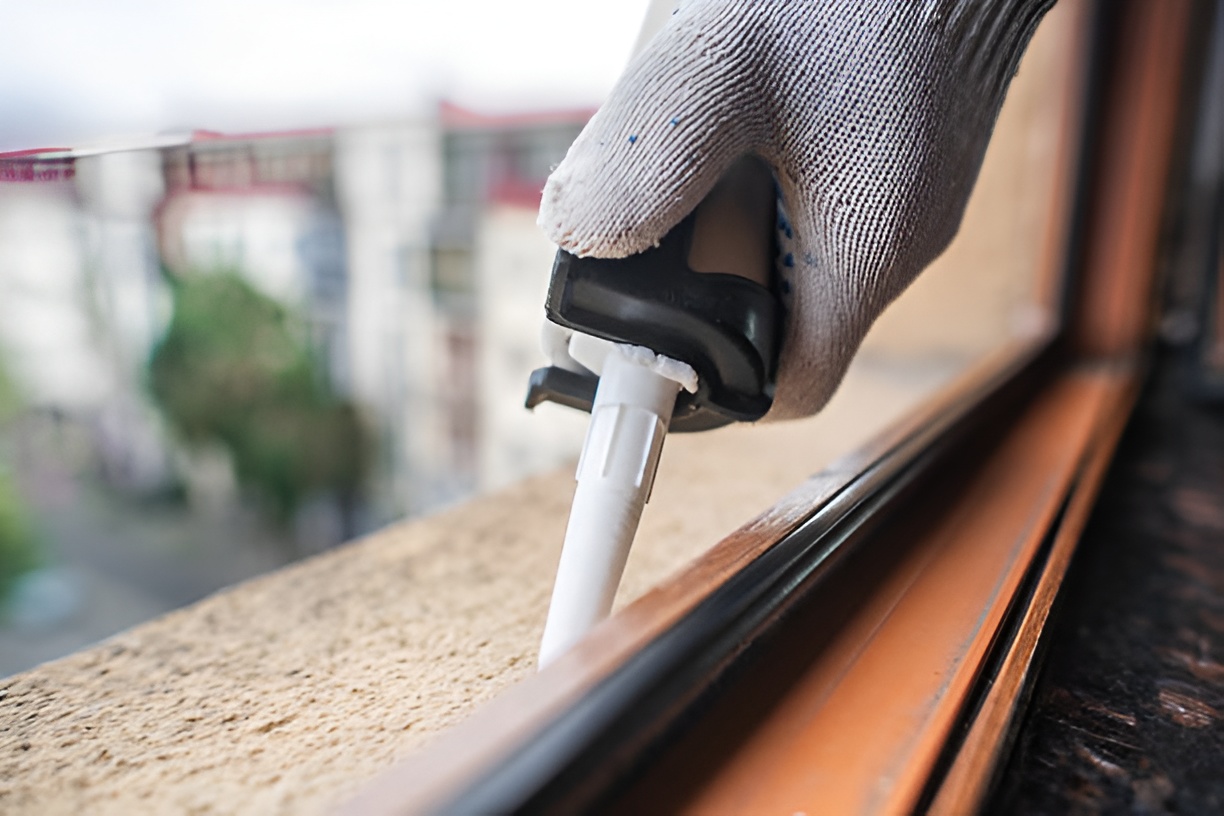
- Sealing gaps and cracks is the most cost-effective first step, using weatherstripping, caulk, and foam strips to block sound and improve insulation.
- The best results come from combining methods, not relying on just one solution—like sealing gaps, adding curtains, and installing window inserts.
- Window inserts and soundproof curtains offer strong noise reduction without replacing windows, making them a great long-term solution for most home offices.
- For severe noise, professional upgrades like double/triple glazing or laminated glass are the most effective, though they are the most expensive options.
- Temporary solutions like window plugs and mass-loaded vinyl (MLV) work well for renters or high-noise situations, especially when noise is only a problem at certain times.
- Avoid common mistakes like only using curtains, ignoring frame gaps, or choosing the wrong insert size, since these reduce the effectiveness of your soundproofing efforts.
Working from home has its perks—no commute, flexible hours, and the comfort of your own space. But when your home office is near a busy street, noisy neighbors, or a constantly barking dog, staying focused becomes a real challenge. That’s where soundproofing your windows comes in.
Windows are one of the biggest weak points when it comes to noise. Even if your walls are solid, a single thin window can let in a surprising amount of sound. The good news? You don’t need a major renovation to make your workspace noticeably quieter. In this guide, we’ll walk through practical, effective ways to soundproof windows for a quieter home office.
Why Are Windows So Noisy?

Windows are typically the easiest entry point for outside noise because glass vibrates and lets sound travel through. Older windows, single-pane glass, and poorly sealed frames make the problem worse. Even if you have double-pane windows, gaps around the frame can still let noise slip in.
The goal of soundproofing is to:
- Block noise from entering
- Absorb sound that does get in
- Reduce vibration and resonance
You’ll get the best results by combining multiple methods, not just one.
How Much Noise Reduction Can You Expect?
Before you start, it’s important to set realistic expectations. Soundproofing windows won’t make your room completely silent. Instead, it will reduce the most annoying sounds and make the space more comfortable.
Typical noise reduction results:
- Basic DIY fixes (weatherstripping, curtains): 10–20% reduction
- Window inserts and soundproof curtains: 30–50% reduction
- Professional upgrades (double glazing, laminated glass): 50–70% reduction
The best results come from combining strategies, like sealing gaps and adding a window insert.
How Do You Know Where the Noise Is Coming From?
Before investing in products, it helps to identify the main source of noise. Here are a few ways to pinpoint the problem:
Use Your Phone as a Noise Meter
Most phones have a built-in decibel meter in the settings or via free apps. Walk around the room and note where noise spikes.
Check for Air Gaps
A quick test is to close the window and run a candle or lighter around the frame. If the flame flickers, you’ve found a leak.
Listen at Different Times of Day
Noise levels can vary depending on traffic, neighbors, or nearby construction. Knowing the pattern helps you choose the best solution.
What Are the Best Soundproofing Methods for a Home Office?
Here’s a breakdown of the most effective options, starting from the easiest and least expensive to the most powerful and permanent.
1. Seal Gaps and Cracks Around the Window Frame
This is the most important step and the one that delivers the biggest impact for the least cost.
What to Use:
- Weatherstripping tape
- Caulk
- Foam seal strips
Where to Apply:
- Around the edges of the window frame
- Between the window sash and frame
- Any visible cracks in the wall near the window
Quick Steps:
- Clean the surface so the tape sticks properly.
- Apply weatherstripping along the edges.
- Use caulk to seal any gaps you can see.
- Double-check with a candle test.
This alone can significantly reduce noise and also improves insulation, which helps with energy costs too.
2. Add a Window Plug (Temporary but Powerful)
A window plug is a removable sound barrier that fits inside the window frame. It’s made of dense materials like acoustic foam, plywood, or mass-loaded vinyl (MLV).
Pros:
- Very effective
- Easy to install and remove
- Great for renters
Cons:
- Blocks natural light
- Takes up some space
Best Use Cases:
- If you need quiet during specific hours
- If your office is near a busy street or loud neighbors
A window plug can reduce noise by up to 50% in some cases, especially when paired with other methods.
3. Install Soundproof Curtains or Acoustic Drapes
Soundproof curtains are thick, heavy, and designed to absorb sound. They won’t block all noise, but they make a noticeable difference.
What to Look For:
- Multiple layers
- Dense fabric
- Full coverage (extend beyond the window frame)
Tips for Maximum Effectiveness:
- Hang the curtain rod at least 6 inches above the window
- Make sure the curtains extend 6–12 inches beyond each side
- Let the curtains puddle slightly on the floor
This method also improves insulation and helps reduce echoes inside the room.
4. Use Acoustic Panels Near the Window
Acoustic panels are typically used to reduce echo and improve sound quality, but they also help reduce noise coming through windows when placed strategically.
Best Placement:
- On the wall next to the window
- Above the window
- On the opposite wall to absorb reflected sound
Benefits:
- Improves room acoustics
- Reduces echo from hard surfaces
- Complements other soundproofing methods
This is especially useful for home offices where you also record audio or do video calls.
5. Upgrade to Window Inserts
Window inserts are clear panels that fit inside your existing window frame. They create an extra layer of glass and improve soundproofing without replacing the entire window.
Pros:
- Highly effective
- Keeps natural light
- Doesn’t require window replacement
Cons:
- Can be expensive
- Needs proper sizing and installation
This is a great option if you want a long-term solution without a full renovation.
6. Replace Windows With Double or Triple Glazing
This is the most permanent and effective solution, but also the most expensive.
What to Choose:
- Double glazing (two panes of glass)
- Triple glazing (three panes of glass)
- Laminated glass (adds a sound-dampening layer)
Why It Works:
The air gap between panes reduces sound transmission, and laminated glass reduces vibration.
If your home office is in a noisy area, upgrading your windows can be a long-term investment in comfort and property value.
7. Add Mass-Loaded Vinyl (MLV) for Serious Noise Reduction
Mass-loaded vinyl is a heavy, flexible material that blocks sound. It can be applied directly to the window frame or used in a window plug.
Pros:
- Very effective at blocking sound
- Works well for low-frequency noise (like traffic)
Cons:
- Can be expensive
- Needs careful installation
MLV is best used when you have severe noise issues and want a strong solution without replacing the window.
How Do You Choose the Best Solution?
Here’s a simple decision guide based on your situation:
If You’re on a Budget:
Start with sealing gaps + curtains.
If You Rent or Need Temporary Solutions:
Try a window plug or heavy curtains.
If You Need a Long-Term Fix:
Window inserts or upgraded glazing.
If Your Noise Is Severe:
Combine multiple solutions like sealing gaps + window inserts + acoustic panels.
How to Soundproof Windows Without Losing Natural Light
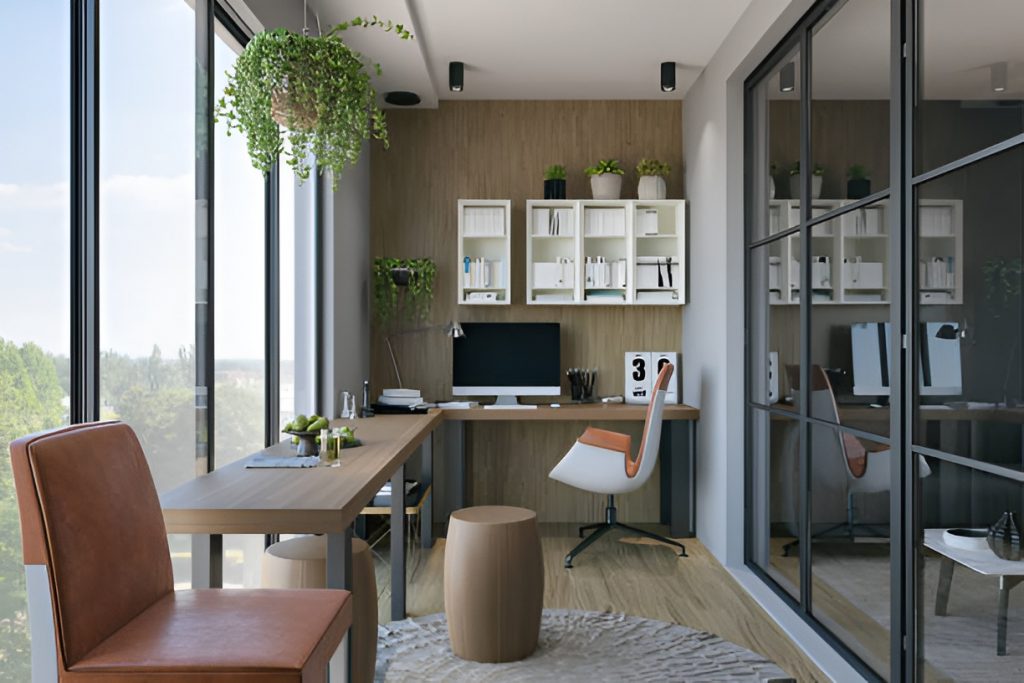
One common concern is losing daylight, especially if your home office is small. Here are some options that keep light while reducing noise:
- Window inserts (clear panels)
- Double-glazed windows
- Soundproof curtains with a lighter color
- Acoustic panels on the walls, not the window
You can also use a combination of a window insert with a thin curtain for a clean look.
What About Window Frame Noise?
Sometimes the glass isn’t the main issue. The frame can vibrate or let air through, which increases noise.
Here’s what you can do:
- Reinforce the frame with weatherstripping
- Add a secondary frame layer (like a DIY insert)
- Use caulk to seal gaps
A properly sealed frame can improve soundproofing more than you’d expect.
How to Soundproof Windows for Video Calls and Recording
If your home office is also your recording studio, soundproofing becomes even more important.
Here are specific tips for improving audio quality:
- Place acoustic panels around the window area
- Use a window plug during recordings
- Add a rug or soft furniture to reduce echo
- Use a directional microphone to reduce background noise
These steps help reduce both incoming noise and room echo.
How to Make Soundproofing Look Good
Soundproofing doesn’t have to look like a construction project. Here are stylish options that keep your office looking clean:
- Choose curtains that match your decor
- Use decorative acoustic panels (fabric or wood designs)
- Paint the window frame to match your wall color
- Use a sleek window insert that fits flush
A quiet office can also be a beautiful one.
Common Mistakes to Avoid
Here are some mistakes people make when soundproofing windows:
- Only using curtains without sealing gaps
- Installing the wrong size window insert
- Ignoring the window frame and focusing only on glass
- Choosing lightweight curtains that don’t absorb sound
- Not checking for air leaks around the frame
Avoiding these mistakes will save you time and money.
Final Checklist for Soundproofing Windows in a Home Office
Here’s a simple checklist to follow:
- Identify noise source and intensity
- Seal gaps and cracks with weatherstripping and caulk
- Add heavy curtains or acoustic drapes
- Consider a window plug for temporary, strong reduction
- Add acoustic panels to improve room sound
- Upgrade to window inserts or double glazing if needed
The Best Soundproofing Plan for Most Home Offices
If you want a reliable plan that works for most people, here’s a balanced approach:
- Seal gaps around the window frame
- Add soundproof curtains
- Install a window insert
- Add acoustic panels near the window
This combination offers strong noise reduction without breaking the bank or requiring major renovations.
Closing Thoughts
Soundproofing windows is one of the most effective ways to improve focus and productivity in a home office. With the right approach, you can significantly reduce outside noise and create a calmer, more professional workspace.