

Rebuilding and refreshing an outdoor living space is one of the most impactful improvements a homeowner can make. Unlike interior renovations, outdoor spaces are constantly exposed to weather, shifting soil conditions, plant growth, and long-term wear and tear. Over time, even well-designed yards can become uneven, cluttered, unsafe, or simply underutilized. What was once a functional extension of the home may gradually turn into an area that feels disconnected from daily life.
A successful transformation is not just about making the yard look better; it is about rebuilding it so it works better. That means addressing structural issues, improving safety, correcting drainage problems, and designing spaces that support real family use. When done properly, an outdoor renovation turns a neglected yard into a highly functional environment for relaxing, entertaining, gardening, and recreation.
The process is best approached in stages. Each stage builds on the previous one, starting with safety evaluation and ending with long-term usability planning. Skipping steps or rushing decisions often leads to expensive corrections later, especially when it comes to underground conditions, water flow, or structural stability.
Assessing Outdoor Safety, Hazards, and Site Conditions
Before any physical work begins, homeowners must carefully evaluate the property’s current condition. This stage is critical because hidden hazards can significantly impact both safety and construction feasibility.
Outdoor environments often conceal problems beneath the surface or within overgrown areas. Trees, soil conditions, and drainage patterns all play a role in determining what can safely be built and where.
A thorough inspection should include:
- Evaluating trees for disease, instability, or storm damage
- Checking root systems that may be disrupting foundations or pathways
- Identifying uneven ground or sinking soil areas
- Locating drainage blockages or water collection points
- Observing areas that attract pests due to moisture or shade
In many cases, professional tree removal becomes necessary when trees pose a safety risk or interfere with planned redesigns. Large or unstable trees can threaten structures during storms or drop heavy limbs unexpectedly, making early removal an important preventative step.
Another critical factor is moisture management. Areas with standing water or excessive dampness can quickly become breeding grounds for insects. This is why mosquito control should be considered early in the planning process rather than after construction begins. Addressing water retention issues early helps prevent long-term pest problems and improve overall yard usability.
This stage is not about making changes yet—it is about understanding limitations, risks, and opportunities. A clear site assessment ensures every decision made afterward is based on real conditions rather than assumptions.

Evaluating and Reimagining Outdoor Water Features
Water features often dominate outdoor layouts, especially in residential properties with existing pools. However, older installations may no longer fit modern lifestyle needs, maintenance expectations, or safety standards.
At this point, many homeowners consult a professional pool company to evaluate the condition of the existing structure. A professional assessment can determine whether the pool should be repaired, redesigned, downsized, or completely removed. Factors such as structural integrity, energy efficiency, and long-term cost all play a role in this decision.
Modern outdoor living trends often prioritize flexibility. Instead of large, high-maintenance pools, many homeowners now prefer multifunctional spaces that can accommodate dining, recreation, and landscaping in a single area.
If removal is chosen, the process must be handled carefully to avoid future ground instability. A proper transition may involve:
- Draining the structure safely and completely
- Removing internal materials such as tile, lining, or framing
- Breaking down structural components in controlled stages
- Preparing the cavity for repurposed land use
In many cases, pool filling is used to convert the space into usable ground for lawns, patios, or garden areas. This step is more complex than simply covering the area; it requires proper compaction and layering to prevent future sinking or drainage issues.
When done correctly, removing or repurposing an outdated pool can dramatically increase usable yard space and open new design possibilities that were previously limited by the structure.
Transition to Next Stage
Once safety risks have been assessed and major structural decisions, such as the removal of a water feature, have been made, the project moves into the physical clearing phase. This involves removing outdated structures, preparing the land, and creating a clean foundation for rebuilding.
Clearing Outdated Structures and Preparing for Major Change
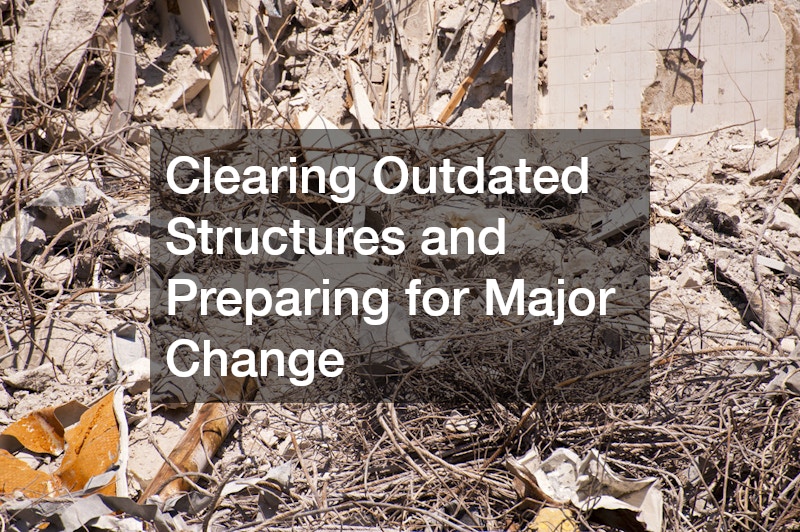
Once the property has been fully assessed and major design decisions have been made, the next step is removing anything that no longer supports the new vision for the space. Outdoor areas often contain aging structures such as old decks, damaged sheds, cracked patios, retaining walls, or unused installations that limit both safety and usability.
This stage is where controlled removal becomes essential. Rather than tearing everything down at once, the process should be carefully planned to avoid damaging surrounding landscaping, underground utilities, or neighboring structures. Proper sequencing also ensures the site remains safe throughout the work.
In most larger projects, professional demolition is the safest and most efficient approach. A structured demolition service typically follows a methodical process rather than a rushed teardown, including:
- Site inspection and hazard identification before work begins
- Isolation of utilities such as water, gas, or electrical lines
- Controlled dismantling of structures in sections
- Safe hauling and disposal of debris and recyclable materials
- Final clearing of the site to prepare for rebuilding
This stage is not just about removal—it is about resetting the entire outdoor environment so that new construction can begin on stable, predictable ground. Poor demolition practices can leave behind debris, unstable soil, or hidden hazards that complicate later phases of the project.
Reshaping the Land for Stability and Function
After outdated structures are removed, attention shifts to the land itself. A successful outdoor renovation depends heavily on what lies beneath the surface. Soil condition, slope, compaction, and drainage patterns all determine how well the space will function in the long term.
This is where working with an experienced excavation company becomes critical. Professionals in this field evaluate the property’s terrain and determine how to reshape it to safely and effectively support new features.
Excavation work typically involves:
- Leveling uneven or sloped ground to create usable surfaces
- Removing buried debris, roots, or unstable soil layers
- Regrading land to improve water movement and drainage
- Preparing foundational areas for patios, gardens, or structures
Proper excavation is not just about making the yard flat. It is about engineering the land so that it performs correctly under real-world conditions. Without this step, even high-quality landscaping or construction can fail due to shifting soil or poor water control.
A well-prepared foundation ensures that every later improvement—whether decorative or structural—has a stable base to build upon.
Surface Restoration and Pre-Construction Cleaning
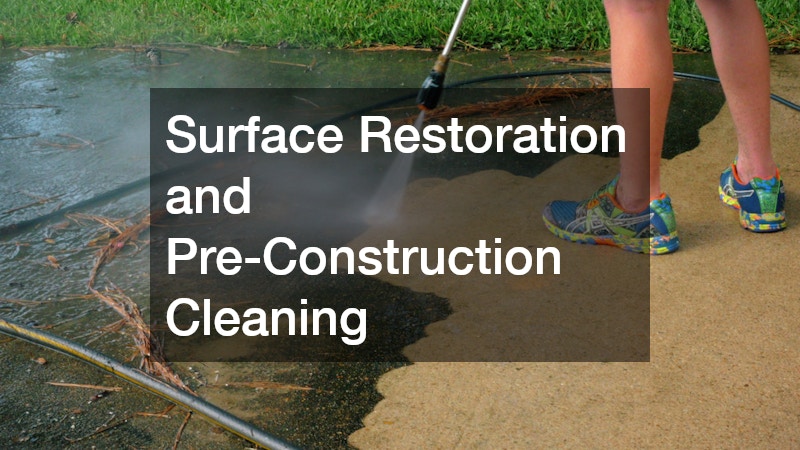
Before new materials are installed, the entire site must be cleaned and reset. Over time, outdoor surfaces accumulate layers of dirt, algae, mold, grease, and organic debris that can interfere with construction and hide underlying damage.
This is where power washing becomes an important preparation step. High-pressure cleaning restores visibility and surface integrity across patios, walkways, retaining walls, and exterior structures. It helps reveal cracks, weak points, or water damage that may need repair before rebuilding continues.
At the same time, pest-related risks must be addressed. Outdoor renovation work often disturbs hidden habitats, especially in shaded or enclosed areas where insects may have built nests over time. In cases involving stinging insects, a professional bee exterminator should always be used to safely handle removal. Attempting to disturb nests without proper equipment or expertise can create serious safety hazards for workers and residents.
A proper pre-construction cleanup phase should include:
- Deep cleaning all hard outdoor surfaces
- Removing organic buildup, such as leaves and mulch piles
- Inspecting enclosed or shaded areas for pest activity
- Ensuring all hazardous insect colonies are professionally handled
By the end of this stage, the property should be clean, stable, and fully ready for rebuilding, with no unexpected interruptions.
Designing a Yard That Manages Water Effectively in All Seasons
Once the site has been cleared, graded, and cleaned, the next major priority is ensuring the entire outdoor space can properly manage water. This is one of the most critical yet often underestimated parts of rebuilding an outdoor living area. Even a beautifully designed yard will quickly deteriorate if water is allowed to pool, run toward structures, or erode soil over time.
A properly designed drainage system works quietly in the background, protecting everything built above it. This starts with confirming that the grading completed during excavation remains effective after settlement. Soil naturally shifts after heavy machinery work, so final adjustments are often needed before finishing layers are added.
Key drainage principles to reinforce at this stage include:
- Ensuring all slopes direct water away from the home foundation
- Preventing low points where rainwater can accumulate
- Encouraging slow, controlled water absorption instead of rapid runoff
- Separating high-use areas from natural water flow paths
In many outdoor renovations, additional drainage systems are introduced to support heavy rainfall or poor soil absorption. These may include underground piping systems, gravel trenches, or channel drains that guide excess water away from living zones.
Another important consideration is surface permeability. Hardscape areas, such as patios or walkways, should be designed to allow water to pass through or around them rather than trapping it. This not only extends the lifespan of materials but also reduces maintenance and the risk of standing water.
When drainage is properly handled, the entire outdoor space becomes more reliable, safer, and easier to maintain year-round.
Creating Purpose-Driven Outdoor Living Zones
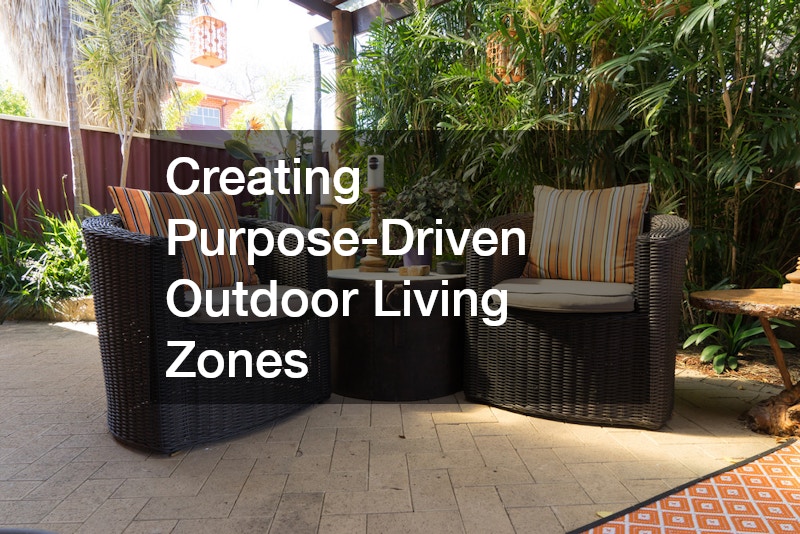
With the foundation stabilized and water management under control, attention can finally shift to the design of the space itself. This is where the yard transforms from a construction site into a usable extension of the home.
Instead of treating the yard as a single, open, undefined area, successful outdoor designs divide the space into intentional zones based on how people will actually use it. This approach improves flow, functionality, and long-term satisfaction.
Most well-designed outdoor spaces include several core zones, such as:
- Social and dining areas: Spaces designed for gatherings, meals, and entertaining guests. These often include durable seating, weather-resistant tables, and proximity to the home for convenience.
- Relaxation zones: Quieter areas with comfortable seating, shade structures, and privacy features where people can unwind.
- Activity zones: Open spaces for children, pets, or recreational use that require durable, flexible ground materials.
- Green and garden zones: Areas dedicated to plants, landscaping features, or natural elements that soften the overall design.
The success of these zones depends heavily on how they connect. Pathways should feel natural, not forced. Movement between areas should be smooth and intuitive, allowing the yard to feel cohesive rather than segmented.
Material selection also plays a major role. Using consistent design elements—such as complementary stone, wood, or composite materials—helps unify the space while still allowing each zone to serve a distinct purpose.
Lighting should be integrated during this stage rather than added afterward. Thoughtfully placed lighting improves safety, extends usability into the evening, and enhances the overall atmosphere of the space. Soft ambient lighting in relaxation areas combined with functional lighting along pathways creates a balance between aesthetics and practicality.
When done correctly, zoning turns a basic backyard into a multi-functional outdoor environment that feels like an extension of an indoor living space.
Long-Term Care and Maintenance Strategy for Lasting Results
After construction is complete and the space is fully functional, the final step is ensuring it remains in good condition over time. Outdoor environments are constantly exposed to changing weather, seasonal growth cycles, and everyday use, which means maintenance is not optional—it is essential.
A well-planned maintenance strategy helps preserve both structural integrity and visual appeal. Without consistent care, even the most well-built outdoor spaces will begin to show wear, develop drainage issues, or lose their usability.
A strong long-term maintenance plan should include:
- Seasonal inspections: Checking drainage systems, grading stability, and structural elements after heavy weather events
- Surface cleaning: Regular removal of dirt, algae, and debris from patios, walkways, and seating areas
- Vegetation management: Trimming plants, controlling overgrowth, and ensuring roots do not interfere with hardscapes
- Soil monitoring: Watching for sinking, erosion, or uneven settling in high-traffic areas
- Material upkeep: Refreshing gravel, mulch, sealants, or protective coatings as needed
Consistency is far more important than intensity. Small routine actions prevent larger, more expensive problems from developing over time. For example, clearing drainage paths regularly can prevent flooding, while early detection of soil movement can prevent structural shifting.
It is also important to view the outdoor space as something that evolves. Family needs change, usage patterns shift, and landscaping matures over time. A flexible maintenance mindset allows homeowners to make small adjustments—such as expanding seating areas, updating planting layouts, or reinforcing high-use zones—without needing major reconstruction.
Bringing the Entire Outdoor Transformation Together
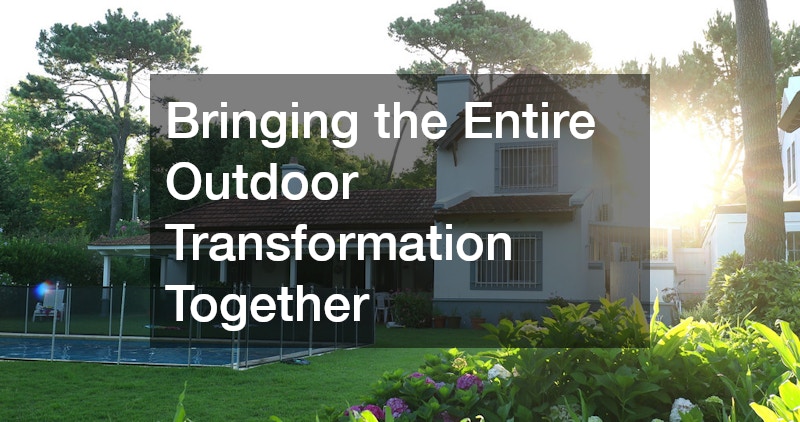
A fully rebuilt outdoor living space represents much more than a visual upgrade. It is the result of a structured, multi-phase process that begins with safety evaluation and ends with long-term usability planning. Each stage plays a specific role in ensuring the final result is not only attractive but also functional, durable, and safe.
From removing hazards and outdated structures to reshaping the land, improving drainage, and designing usable zones, every step contributes to the overall performance of the space. When these elements are handled correctly, the yard becomes a true extension of the home—supporting everyday life, family activities, relaxation, and entertainment.
The most successful outdoor transformations prioritize function first and aesthetics second. Beauty follows naturally when the space is safe, well-built, and thoughtfully organized. In the end, a properly rebuilt outdoor area is not just something to look at—it is something to live in, use, and enjoy for many years to come.