
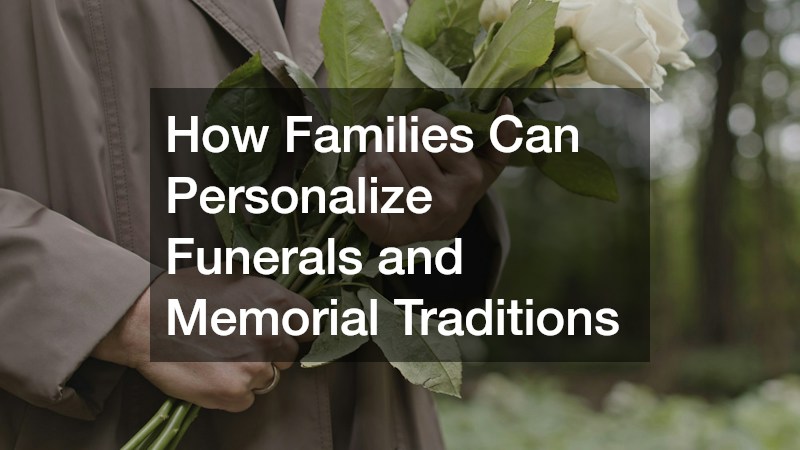
Planning a funeral involves more than coordinating arrangements and choosing a place for a service. It gives families an opportunity to reflect on a loved one’s personality, relationships, beliefs, and experiences while creating a meaningful way to say goodbye. Personal details, from favorite flowers and familiar music to treasured belongings and family traditions, can make a memorial feel more representative of the person being remembered.
Every family approaches these decisions differently. Some prefer traditional ceremonies rooted in religious or cultural customs, while others want a more personal gathering that celebrates the individual’s life. Practical considerations also matter, including transportation, clothing, memorial arrangements, and meals for visiting relatives. Understanding the available options can help families make thoughtful decisions, divide responsibilities, and create a respectful farewell that reflects their loved one’s wishes.
Choose Service Details That Reflect Their Life
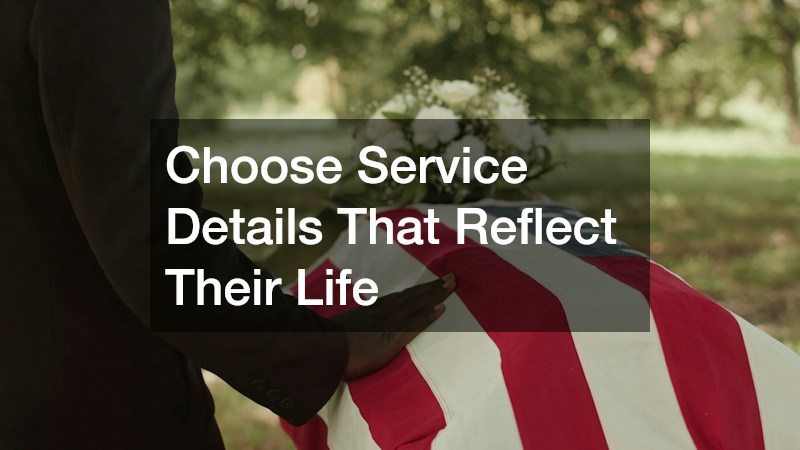
Personalizing funeral services begins with considering what made the deceased unique. Their interests, beliefs, relationships, and personal values can all influence the type of ceremony a family chooses. Some people may have preferred a traditional religious service, while others would have appreciated a casual gathering centered on storytelling and shared memories.
Families can discuss the deceased’s known preferences before deciding on the format. When those wishes are unknown, consider what would feel appropriate to the person being remembered.
Meaningful additions can include:
-
Favorite music: Select songs that reflect important moments, personal interests, or cherished memories.
-
Photographs: Create a display showing different stages of the person’s life.
-
Personal readings: Invite relatives or friends to share meaningful passages, poems, or reflections.
-
Memory sharing: Allow guests to contribute stories during the gathering.
-
Personal belongings: Display meaningful objects associated with hobbies, accomplishments, or family traditions.
Family members can also participate by delivering readings, preparing photo displays, or sharing personal tributes. These details make the ceremony more personal without requiring elaborate arrangements. The goal is to create an experience that feels genuine and respectful.
Select Flowers That Communicate Personal Meaning
Flowers are a familiar part of many funeral traditions, but their colors, varieties, and arrangements can also communicate personal sentiments. Choosing flowers associated with a loved one’s favorite season, garden, or color can make the tribute feel more individual.
Casket sprays are often among the most prominent floral arrangements at a funeral. Families can select traditional designs or request personalized arrangements that reflect the deceased’s preferences. For example, someone who enjoyed gardening may be remembered with flowers that resemble the plants they cared for, while a favorite color can guide the overall arrangement.
Before placing an order, consider:
-
Flower preferences: Identify varieties the deceased particularly enjoyed.
-
Color choices: Select colors that complement the service setting or carry personal significance.
-
Arrangement size: Consider the casket dimensions and available space.
-
Family coordination: Discuss floral preferences with relatives to avoid unnecessary duplication.
-
Delivery arrangements: Confirm when and where flowers need to arrive.
Families should also communicate any cultural or religious considerations to the florist. Thoughtful floral choices can provide a visual expression of affection while complementing the ceremony’s overall atmosphere.
Recognize Military Service With Appropriate Honors
For families remembering someone who served in the armed forces, military traditions may be an important part of the funeral. These customs recognize the individual’s service and provide an opportunity to acknowledge a meaningful part of their personal history.
Veteran burials may include military honors, depending on eligibility and the family’s arrangements. Families should communicate the deceased’s service history to the funeral director early in the planning process so appropriate arrangements can be coordinated.
Useful preparation steps include:
-
Locate available military discharge documents, including the DD Form 214 when applicable.
-
Gather information about the deceased’s branch of service and service history.
-
Discuss available military honors with the funeral director.
-
Confirm arrangements with the appropriate military representatives.
-
Identify personal military belongings that relatives may want displayed.
Families can also incorporate photographs, medals, uniforms, and other meaningful items into the memorial. These displays provide context about the person’s experiences and accomplishments.
Prepare Clothing and Grooming Details With Care

Personal appearance can be an important part of funeral preparation, particularly when families want the deceased to be presented in familiar clothing. Choosing an outfit associated with the person’s personality, profession, or favorite occasions can make the viewing more personal.
Some families prefer formal clothing, while others select an outfit the individual regularly enjoyed wearing. Religious customs and cultural expectations may also influence these decisions.
When planning clothing and accessories, consider:
-
Favorite outfits: Choose clothing that reflects the person’s usual style or preferences.
-
Jewelry: Decide whether meaningful rings, necklaces, watches, or other accessories should accompany the deceased.
-
Personal grooming: Provide instructions about hairstyle, facial hair, and other familiar appearance details.
-
Family preferences: Discuss valuable or inherited belongings before deciding whether they should be buried with the deceased.
Families may also consult local jewelry businesses when selecting appropriate accessories or arranging the purchase of a meaningful piece for a memorial display.
Similarly, barber shops may be relevant when families want to understand familiar grooming styles or arrange personal grooming services before a funeral. However, any grooming or preparation involving the deceased should be coordinated directly with the funeral home.
Providing clear instructions helps funeral professionals understand the family’s preferences and prepare a presentation that respects the individual’s identity.
Choose a Memorial Marker That Preserves Their Story
A cemetery memorial gives relatives and friends a dedicated place to remember someone after the funeral. Selecting an appropriate headstone involves balancing personal preferences, cemetery requirements, material considerations, and long-term maintenance.
Families should begin by reviewing the cemetery’s rules. Different properties may have restrictions regarding marker dimensions, materials, lettering, placement, and installation procedures. Understanding these requirements before selecting a design can prevent delays and unnecessary expenses.
Personalization options may include:
-
Inscriptions: Names, dates, meaningful quotations, or short personal messages.
-
Symbols: Religious imagery, military emblems, or designs connected to personal interests.
-
Material choices: Granite, marble, and other materials with different appearances and maintenance considerations.
-
Lettering: Fonts and engraving styles that remain readable over time.
-
Decorative details: Etched images or other approved design elements.
Families should carefully review every inscription before production, paying particular attention to spelling, dates, and punctuation. It can also help to involve relatives in the selection process, especially when the memorial represents a shared family history.
A thoughtfully designed marker preserves important details about the individual and gives future generations a meaningful place to visit and reflect.
Protect Existing Memorials Through Proper Restoration
Older cemetery monuments can become discolored or difficult to read because of weather exposure, accumulated dirt, biological growth, and natural material deterioration. Maintaining these memorials helps families preserve the inscriptions and details that connect them with previous generations.
Before arranging restoration, inspect the monument’s condition. Look for fading lettering, surface damage, cracks, loose components, or areas where the original finish appears to have changed.
When researching a monument and grave sandblasting service, families should understand that abrasive cleaning is not suitable for every stone. Sandblasting can damage certain materials, weaken already deteriorated surfaces, or affect engraved details. Professional guidance is important before selecting a restoration method.
Ask potential service providers about:
-
Their experience with the monument’s specific material.
-
Cleaning methods appropriate for the stone’s condition.
-
Their approach to preserving existing inscriptions.
-
Cemetery requirements for restoration work.
-
Whether repairs are necessary before cleaning begins.
Families should also ask whether gentler cleaning methods are more appropriate. Restoration should focus on preserving the monument rather than making it look entirely new.
Understand Cremation Arrangements and Memorial Options
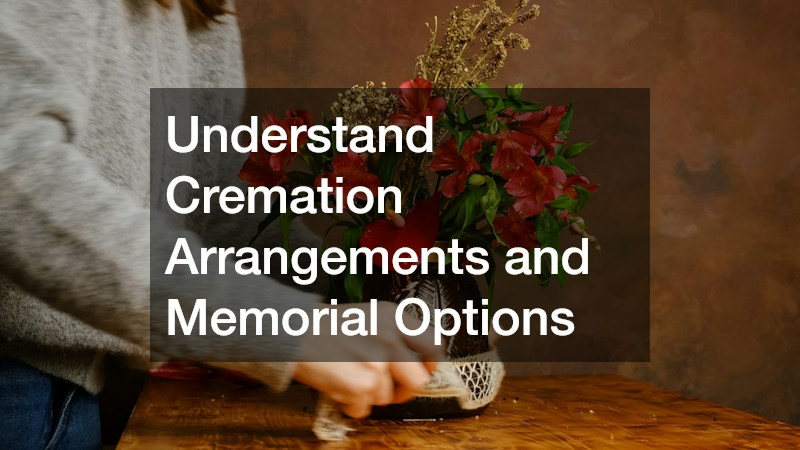
Cremation offers families different ways to organize a farewell, particularly when relatives need additional time to travel or coordinate schedules. Some families hold a traditional funeral before cremation, while others arrange a memorial gathering afterward.
When researching local cremation providers, compare the arrangements available and ask how each provider handles identification, authorization, documentation, and the return of cremated remains.
Important questions include:
-
What cremation arrangements and service options are available?
-
What identification and authorization procedures are followed?
-
How are families informed about the process?
-
What documentation accompanies the return of the remains?
-
What options are available for memorialization?
Families should also consider how they want to remember their loved one after the cremation. Some choose a traditional urn, while others arrange a memorial display, keep photographs and personal belongings together, or plan a gathering where relatives can share memories.
Understanding these details helps relatives select arrangements that respect personal preferences while accommodating practical family needs.
Organize a Bereavement Meal That Brings Relatives Together
A gathering after a funeral allows family members and friends to reconnect, share memories, and support one another. Often called a repast, this meal can be an important part of the family’s remembrance traditions.
Food choices may reflect cultural customs, favorite family recipes, or dishes the deceased particularly enjoyed. The gathering does not need to be elaborate to feel meaningful. A comfortable setting and familiar food can create an inviting environment for conversation.
Using full service catering can simplify coordination by providing some or all of the preparation, delivery, setup, serving, and cleanup.
When arranging the meal, consider:
-
Guest count: Estimate attendance before selecting a venue and menu.
-
Dietary needs: Account for allergies, food restrictions, and individual preferences.
-
Family traditions: Include familiar dishes or recipes with personal significance.
-
Timing: Coordinate meal service with the funeral schedule and expected travel time.
-
Venue arrangements: Confirm seating, serving space, and accessibility.
Families can also personalize the gathering with photographs, memory cards, or a small display of meaningful belongings. Delegating food arrangements can reduce the responsibilities placed on close relatives while allowing everyone to spend more time together.
Coordinate Transportation of Documents and Personal Remains
Families sometimes need to arrange transportation when a death occurs away from home, relatives live in different locations, or cremated remains need to be returned to another state or country. Funeral homes regularly coordinate these arrangements, including the transportation of intact human remains and cremated remains.
A shipping container may be used in certain transportation arrangements, depending on the type of shipment and applicable requirements. Families should work with funeral professionals to determine the appropriate arrangements.
Important considerations include:
-
Confirm the destination and transportation requirements.
-
Gather necessary death certificates, permits, and other documentation.
-
Coordinate packaging and preparation with the funeral home.
-
Confirm carrier requirements and delivery arrangements.
-
Maintain copies of relevant paperwork throughout the process.
For international transportation, additional documentation and coordination with consular authorities may be necessary. Working with funeral professionals experienced in shipping arrangements can help families coordinate the process and avoid unnecessary delays.
Incorporate Family Traditions Into Future Remembrance
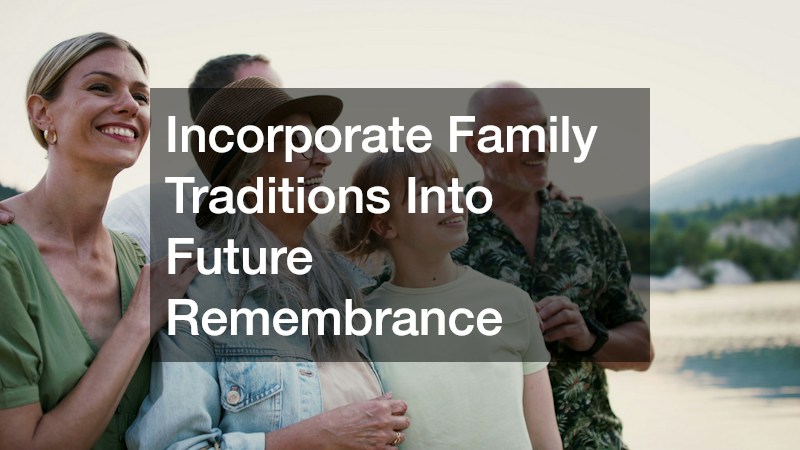
Personalized memorials do not have to end when the funeral is over. Families can continue honoring loved ones through traditions that preserve memories and bring relatives together.
These activities can be simple, familiar, and appropriate for different generations. Some families gather on birthdays or anniversaries, while others maintain photo collections, prepare favorite recipes, or share stories during holidays.
Consider establishing traditions such as:
-
Annual gatherings: Set aside time for relatives to remember the individual together.
-
Memory collections: Preserve photographs, letters, recipes, and personal stories.
-
Shared activities: Continue hobbies or charitable activities that were important to the deceased.
-
Family storytelling: Encourage older relatives to share memories with younger generations.
-
Personal tributes: Create a memory book or digital collection that relatives can contribute to.
When children participate, choose activities that allow them to understand family history in an age-appropriate way. They might help select photographs, write a memory, or contribute a drawing.
Families should also recognize that traditions can change as circumstances and generations change. The important part is maintaining meaningful connections and giving relatives opportunities to remember someone in ways that feel natural to them.
Personalizing a funeral involves thoughtful decisions about how a loved one’s life, relationships, and experiences should be remembered. From selecting meaningful ceremony details and preparing personal belongings to arranging military honors and choosing a lasting memorial, each decision offers an opportunity to reflect the individual’s identity.
Remembering someone also extends beyond the day of the funeral. Family gatherings, photographs, shared stories, and familiar traditions can preserve memories and strengthen connections between generations.
A meaningful farewell does not depend on how elaborate the arrangements are. It comes from the care behind the decisions and the personal details that reflect the person being honored. By approaching each choice with consideration, families can create a respectful tribute and establish remembrance traditions that continue for years to come.