

Home renovations can be exciting, but they also require careful planning to avoid unnecessary expenses, delays, and frustration. Whether you’re updating a single room, making essential repairs, or preparing for a major remodel, knowing where to begin can make the entire process much easier. Every improvement involves decisions about materials, budgets, timelines, and professional assistance, so having a clear plan is essential.
A successful renovation isn’t just about making your home look better. It’s also about improving safety, increasing energy efficiency, protecting your investment, and creating spaces that work for your everyday needs. Understanding which projects deserve immediate attention and which can wait helps you make the most of your available resources.
Assess Your Home’s Condition Before Deciding Where to Start

Before beginning any renovation, take time to evaluate your home’s overall condition. While cosmetic upgrades may be tempting, underlying structural or maintenance problems should always take priority. Addressing these issues early can prevent more expensive repairs and ensure that future improvements are built on a solid foundation.
Start by walking through your property and identifying areas that need attention. Consider the following:
- Structural concerns: Look for foundation cracks, uneven floors, sagging ceilings, and doors that no longer close properly.
- Water damage: Check for stains, mold growth, peeling paint, and moisture around windows or plumbing fixtures.
- Outdated features: Identify worn flooring, damaged cabinetry, deteriorating fixtures, and areas that no longer meet your needs.
- Safety hazards: Watch for loose railings, damaged steps, exposed wiring, and other potential dangers.
For extensive renovations, home construction companies can help evaluate the property’s condition and determine whether major structural modifications are necessary.
Once you’ve completed your inspection, organize projects according to urgency. Essential repairs should come first, followed by improvements that increase functionality, comfort, and appearance. This approach helps prevent unnecessary spending and ensures your renovation addresses the home’s most important needs.
Build a Realistic Budget That Accounts for Unexpected Expenses
Establishing a realistic budget is one of the most important parts of planning a renovation. Without clear financial limits, even relatively small improvements can become more expensive than anticipated. Understanding the full scope of your project helps you make informed decisions before committing to purchases or hiring professionals.
Begin by researching expected costs and requesting detailed estimates. Your budget should account for several expenses:
- Materials: Include flooring, paint, fixtures, hardware, and other construction products.
- Professional labor: Compare written estimates and clarify which services are included.
- Permits and inspections: Determine whether your project requires approval from local authorities.
- Unexpected repairs: Reserve approximately 10% to 20% of your budget for surprises, especially in older homes.
- Cleanup expenses: Include debris removal, equipment rentals, and final cleaning.
Comparing prices for local building supplies can help you find affordable materials while avoiding unnecessary shipping costs. However, consider product warranties, durability, and maintenance requirements rather than focusing exclusively on price.
Review your budget throughout the project and document every expense. If costs begin exceeding expectations, postpone nonessential upgrades instead of sacrificing important safety or structural improvements.
Improve Indoor Comfort by Addressing Energy Loss and Drafts
Maintaining comfortable indoor temperatures can be difficult when your home lacks adequate insulation or contains gaps that allow conditioned air to escape. These problems can force heating and cooling equipment to work harder, potentially increasing utility expenses and creating uncomfortable temperature differences between rooms.
Start by identifying areas where energy loss commonly occurs:
- Attics: Inspect insulation coverage and look for gaps around plumbing penetrations and recessed fixtures.
- Exterior walls: Check for drafts near outlets, windows, and other openings.
- Crawl spaces: Look for moisture problems, damaged insulation, and unsealed openings.
- Doors and windows: Examine weatherstripping and caulking for deterioration.
A home insulation company can assess existing insulation levels and recommend improvements based on your home’s construction, climate, and energy needs. Common options include fiberglass, cellulose, and spray foam, each offering different installation requirements and benefits.
Before adding insulation, address air leaks and moisture concerns that could reduce its effectiveness. Consider scheduling a professional energy assessment to identify hidden problem areas.
Improving insulation can make living spaces more comfortable, reduce unnecessary energy consumption, and help maintain consistent indoor temperatures throughout the year.
Inspect Your Roof for Damage Before Minor Issues Become Major Repairs

Your roof protects your home from rain, wind, snow, and other environmental conditions. When roofing problems go unnoticed, moisture can enter the structure and damage insulation, ceilings, walls, and framing. Regular inspections help identify deterioration before it develops into a much larger problem.
Homeowners should watch for several warning signs:
- Missing or damaged materials: Look for cracked shingles, loose flashing, and exposed roofing components.
- Interior water stains: Discoloration on ceilings or walls may indicate a roof leak.
- Sagging sections: Uneven rooflines can suggest structural deterioration that requires professional evaluation.
- Drainage problems: Clogged gutters and poor drainage can contribute to moisture damage.
Roof decking also deserves attention because it provides structural support for the roofing system. Homeowners researching local metal roof decking should confirm that the selected materials are appropriate for their roof design and meet applicable building requirements.
Schedule professional inspections after severe storms or when visible damage appears. Avoid walking on potentially damaged roofing surfaces yourself.
Addressing minor problems promptly can extend the life of your roofing system and reduce the likelihood of costly interior repairs.
Protect Exterior Walls From Weather Damage and Moisture Problems
Exterior siding does more than improve curb appeal. It creates an important protective barrier against moisture, wind, and changing weather conditions. When siding becomes damaged or deteriorates, water can reach underlying materials and contribute to mold, wood rot, and structural problems.
Regular exterior inspections can help homeowners identify issues before they become serious. Pay attention to:
- Cracks and gaps: Openings may allow moisture and pests to enter.
- Warped or loose panels: Movement can indicate aging materials or improper installation.
- Peeling paint: Persistent peeling may signal moisture problems beneath the surface.
- Soft or deteriorating areas: These conditions may indicate hidden water damage.
Experienced siding contractors can evaluate existing materials, identify problem areas, and recommend appropriate repairs or replacement options.
When choosing new siding, compare vinyl, fiber cement, engineered wood, and traditional wood based on durability, appearance, maintenance, and cost.
It’s also important to inspect the underlying wall structure before installing replacement materials. Covering existing moisture damage without correcting its cause can create additional problems.
Proper installation and routine maintenance help preserve your home’s exterior while supporting long-term property value.
Schedule Heating and Cooling Maintenance Before Peak Seasons
Heating and cooling equipment plays an essential role in maintaining a comfortable home throughout the year. Unfortunately, many homeowners wait until their systems stop working before scheduling maintenance. Routine inspections can help identify developing problems and reduce the likelihood of unexpected breakdowns during extreme temperatures.
Several maintenance tasks can help keep equipment operating efficiently:
- Replace air filters: Follow manufacturer recommendations and adjust replacement frequency based on household conditions.
- Check airflow: Keep supply vents and return grilles clear of furniture and obstructions.
- Inspect outdoor equipment: Remove surrounding debris while maintaining adequate clearance.
- Monitor performance: Watch for unusual noises, inconsistent temperatures, or unexplained increases in energy usage.
Scheduling seasonal service with local hvac companies allows trained technicians to inspect equipment, evaluate performance, and identify components that may require attention.
If your system frequently needs repairs, compare the cost of continued maintenance against the benefits of replacement. Equipment age, repair history, efficiency, and overall condition should influence your decision.
Combining regular maintenance with improved insulation and air sealing can help reduce energy waste and create more consistent indoor comfort.
Address Electrical Safety Before Installing New Fixtures or Appliances
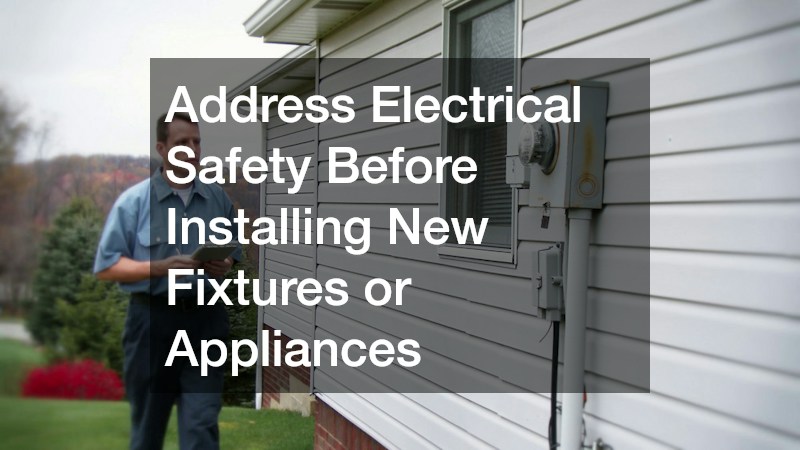
Electrical improvements require careful planning, particularly when renovating older homes or adding appliances that increase power demand. Outdated wiring, overloaded circuits, and inadequate electrical panels can create safety hazards that should be addressed before decorative improvements begin.
Start by identifying potential warning signs throughout your home:
- Frequently tripped breakers: Repeated interruptions may indicate overloaded circuits or electrical faults.
- Flickering lights: Persistent flickering can suggest loose connections or other wiring concerns.
- Warm outlets: Unusual heat, discoloration, or burning odors require immediate professional attention.
- Insufficient outlets: Heavy reliance on extension cords may indicate the need for additional receptacles.
A licensed electrician can inspect your electrical system, determine whether upgrades are necessary, and complete work according to applicable safety requirements.
Before remodeling kitchens, bathrooms, or laundry areas, confirm that existing circuits can support new appliances and fixtures. Major additions may require dedicated circuits or electrical panel improvements.
Homeowners should also verify permit and inspection requirements before work begins. Professional electrical repairs help protect household safety while ensuring that renovations can accommodate modern electrical demands.
Improve Security and Everyday Convenience Around Your Property
Exterior improvements can make your property more secure, functional, and visually appealing. Garage doors, fencing, and other outdoor features deserve regular attention because they experience frequent use and constant exposure to changing weather conditions.
Begin by evaluating areas that affect daily convenience and property security:
- Garage door operation: Check for unusual noises, uneven movement, damaged panels, and deteriorating weather seals.
- Safety features: Test automatic reversal systems according to manufacturer instructions.
- Fence condition: Inspect posts, gates, hinges, and panels for instability or deterioration.
- Privacy needs: Consider whether existing barriers provide sufficient separation from neighboring properties.
Professional garage door companies can inspect operating mechanisms, repair damaged components, and recommend replacement options when existing equipment becomes unreliable. Avoid attempting repairs involving high-tension springs or cables yourself.
Similarly, local fence companies can help homeowners compare wood, vinyl, aluminum, and other fencing materials based on durability, appearance, and maintenance requirements.
Before installing new fencing, confirm property boundaries and review applicable neighborhood restrictions or permit requirements.
Thoughtful exterior upgrades can improve accessibility, strengthen security, and make outdoor spaces more enjoyable for everyday use.
Organize Waste Removal and Material Disposal Before Demolition Begins
Renovation projects often generate more debris than homeowners initially expect. Removing old flooring, cabinetry, drywall, and damaged building materials can quickly create clutter that interferes with work and increases the risk of accidents.
Planning waste removal before demolition begins helps maintain an organized and safer work environment.
Consider these important preparation steps:
- Estimate debris volume: Identify which materials will be removed and approximate how much waste the project will generate.
- Choose a disposal method: Compare collection services, hauling options, and temporary containers.
- Separate materials: Keep recyclable items, reusable fixtures, and hazardous waste apart.
- Check restrictions: Determine whether certain materials require specialized handling or disposal.
For larger projects, homeowners may need to rent a dumpster to manage construction debris efficiently. Container size, rental duration, weight limits, and placement requirements should all influence the decision.
Some materials, including certain paints, chemicals, and asbestos-containing products, require special handling rather than ordinary disposal.
Create a Project Timeline That Keeps Contractors and Repairs on Track

Even a carefully budgeted renovation can become stressful without a realistic schedule. Multiple contractors, material deliveries, inspections, and unexpected repairs must often be coordinated to keep work moving efficiently.
Creating a detailed project timeline helps homeowners understand which tasks must happen first and where delays are most likely to occur.
Start by organizing the renovation into manageable stages:
- Planning and approvals: Finalize designs, obtain estimates, and secure necessary permits.
- Structural work: Complete demolition, framing, and essential repairs before finishing surfaces.
- Mechanical improvements: Schedule plumbing, electrical, and climate-control work before closing walls.
- Finishing projects: Complete flooring, painting, cabinetry, and decorative installations in the appropriate sequence.
- Final inspections: Verify completed work and address outstanding concerns before making final payments.
Request written agreements that clearly explain project responsibilities, payment schedules, and anticipated completion dates.
Build flexibility into the timeline to account for weather, delayed deliveries, inspection requirements, and unexpected discoveries.
Maintain regular communication with everyone involved and document important decisions. Once the renovation is complete, organize warranties, receipts, permits, and maintenance instructions for future reference.
Making Your Home Improvements a Long-Term Success
Planning home renovations involves much more than selecting new materials or updating outdated spaces. Successful improvements require careful evaluation, realistic budgeting, thoughtful scheduling, and attention to the property’s overall condition. By identifying essential repairs early and addressing potential safety concerns, homeowners can avoid unnecessary expenses and protect their investments.
Whether you’re preparing for a complete remodel or making smaller updates throughout your home, organization and preparation can make a significant difference. Taking the time to research options, compare estimates, and establish clear expectations helps create a smoother renovation experience and ensures that your improvements continue benefiting your household for years to come.