
- Window noise mostly comes from gaps, thin glass, and vibrating frames, so soundproofing focuses on sealing and adding mass rather than replacing windows.
- The three essentials of soundproofing are mass, sealing, and damping, which can be achieved using affordable materials and simple DIY methods.
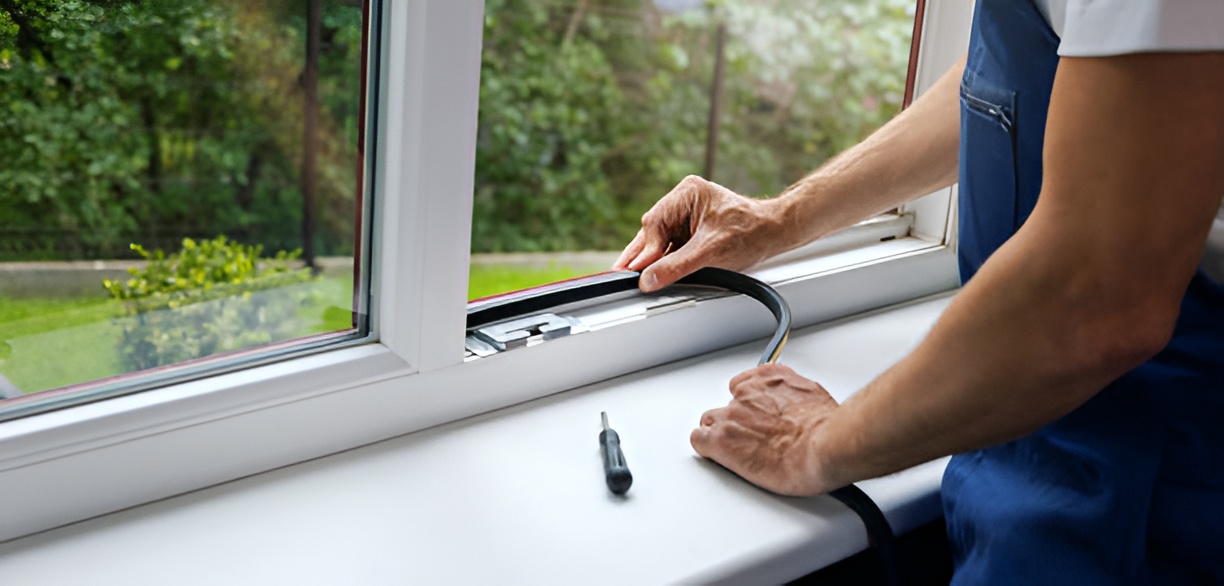
- Weatherstripping and acoustic caulk are the fastest, most effective quick fixes because they seal air gaps where sound easily leaks through.
- Window inserts and window plugs provide the biggest noise reduction without replacing windows, especially when paired with other methods.
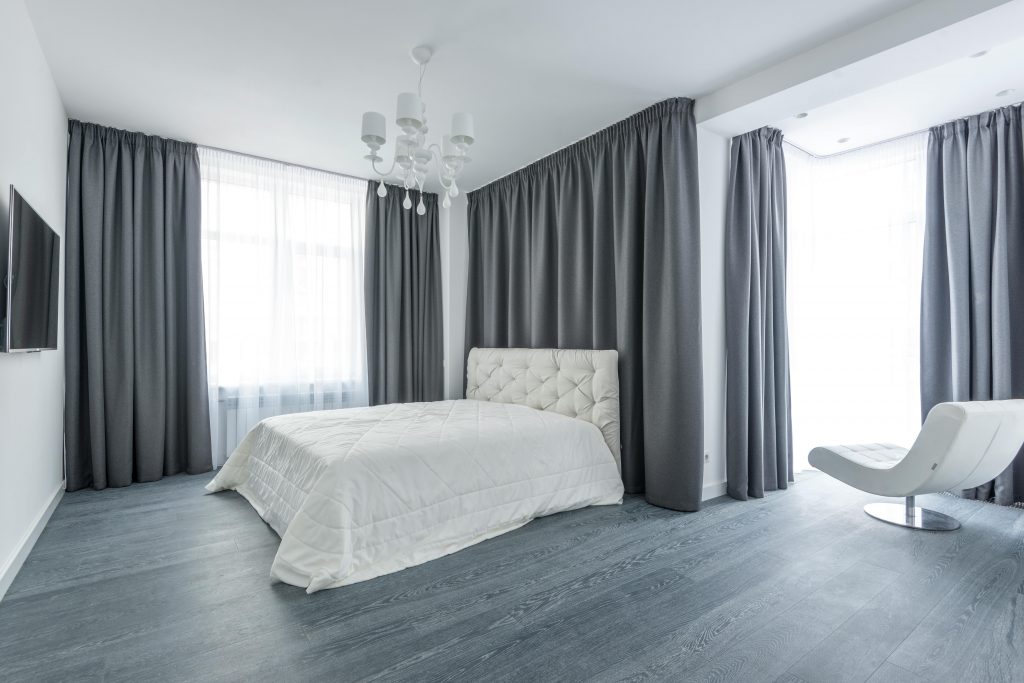
- Soundproof curtains help reduce noise and echo, but work best when combined with sealing and inserts, not used alone.
- For best results in one day, combine sealing (weatherstripping/caulk) with a window insert or plug, then add curtains for extra protection.
- DIY soundproofing can reduce noise by 20–40% in many cases, but seriously damaged or warped windows may still require replacement for long-term results.
If you live in a busy city, near a highway, or close to a noisy neighbor, window noise can feel like a constant interruption. Replacing windows is often expensive, time-consuming, and sometimes not even possible—especially if you rent. The good news is that you can reduce noise dramatically without replacing your windows, and many of the best solutions can be done in just one day.
In this guide, we’ll walk through DIY projects that improve soundproofing fast, with minimal tools and materials. You’ll learn what works, what doesn’t, and how to get the best results without breaking the bank.
Why Do Windows Let in So Much Noise?

Windows are one of the weakest points in your home when it comes to sound control. Even double-pane windows still allow noise to pass through gaps, thin glass, and the window frame itself.
Sound travels through:
- Air gaps and cracks
- Thin glass
- Loose seals
- Window frames that vibrate
- Old weatherstripping
If you want better soundproofing, you need to reduce vibration and block those gaps. The good news is you can do both without replacing your windows.
What Makes a Window Soundproof?
A soundproof window needs three things:
- Mass – heavier materials block sound better.
- Sealing – gaps let sound slip through.
- Damping – materials that reduce vibration.
The easiest DIY solutions focus on these three areas using affordable materials and simple techniques.
Quick DIY Soundproofing Projects You Can Do Today
1. Add Weatherstripping to Seal Air Gaps
This is one of the simplest and most effective methods. Even small gaps around the window frame can let a lot of noise in.
What you need:
- Foam or rubber weatherstripping
- Scissors
- Measuring tape
How to do it:
- Measure the window frame.
- Clean the frame with rubbing alcohol.
- Apply the weatherstripping along the edges.
- Press firmly to ensure a tight seal.
Weatherstripping works best on windows that are already in decent condition but have small leaks.
2. Use Acoustic Caulk to Seal Cracks
Standard caulk can seal gaps, but acoustic caulk is designed to reduce sound transfer.
Where to apply:
- Around the window frame
- Between the frame and the wall
- Any visible cracks or gaps
This is a quick and low-cost solution that can reduce a surprising amount of noise, especially in older homes.
3. Install Window Inserts (DIY or Pre-Made)
Window inserts are a great option because they add a second layer of glass or acrylic without replacing your window.
Benefits:
- They improve sound insulation
- They are removable
- They don’t change the appearance of your home
- They can be installed in a few hours
You can buy pre-made inserts or build your own using acrylic sheets and framing materials.
4. Hang Soundproof Curtains
Soundproof curtains are thick, dense, and designed to block noise. They are not perfect, but they can make a big difference when combined with other methods.
Best for:
- Bedrooms
- Home offices
- Living rooms
How to get the best results:
- Choose curtains that are extra-wide and floor-length
- Mount the curtain rod above the window frame
- Let the curtain overlap the sides of the window
5. Build a Window Plug (Temporary but Effective)
A window plug is a custom insert that fills the window opening. It’s made with dense materials like foam board, mass-loaded vinyl, and acoustic foam.
Benefits:
- Very effective at blocking noise
- Works well for night-time use
- Great for renters because it’s removable
Materials:
- Foam board or plywood
- Acoustic foam
- Mass-loaded vinyl
- Measuring tape
- Utility knife
How to build it:
- Measure the window opening.
- Cut the foam board or plywood to size.
- Add layers of acoustic foam or vinyl.
- Fit the plug into the window frame.
Window plugs can be a bit bulky, but they work extremely well.
How to Choose the Best Solution for Your Situation
Not all noise is the same. Different methods work better depending on the type of noise you’re dealing with.
If you hear mostly traffic or loud outside noise, try:
- Window inserts
- Window plugs
- Acoustic curtains
If you hear wind, rattling, or small gaps, try:
- Weatherstripping
- Acoustic caulk
- Tightening screws or adding foam tape
If you’re wondering how to soundproof windows for your home office, try:
- Window inserts
- Soundproof curtains
- Weatherstripping
If you want the best results without replacing windows, combine:
- Weatherstripping
- Window inserts
- Soundproof curtains
Can You Soundproof Windows Without Blocking Light?
Yes, you can reduce noise without completely blocking light. The key is choosing solutions that add mass and seal gaps without covering the entire window.
Good options include:
- Window inserts (clear acrylic)
- Acoustic caulk
- Weatherstripping
These options allow light to pass through while still reducing sound.
What About Soundproofing Old or Drafty Windows?
Older windows often have multiple weak points, including:
- Loose frames
- Gaps between the frame and wall
- Warped window tracks
If your window is drafty, you may also be dealing with noise issues.
Here’s a quick checklist:
- Inspect the frame for gaps
- Check for broken seals
- Replace old weatherstripping
- Use acoustic caulk where needed
A combination of these fixes can make a big difference in just a few hours.
Best Materials for Soundproofing Windows (Affordable & Easy)
Here are the most effective materials for DIY soundproofing:
- Acoustic caulk – seals gaps and reduces sound leaks
- Weatherstripping – blocks air gaps
- Mass-loaded vinyl (MLV) – adds mass and blocks sound
- Acoustic foam – absorbs sound vibrations
- Acrylic sheets – used in window inserts
- Soundproof curtains – reduce noise and echo
Each material has its own strengths, and the best results come from using them together.
Simple Steps to Maximize Your Results
If you want the best outcome in one day, follow this plan:
- Seal all gaps with weatherstripping and acoustic caulk.
- Add a window insert or build a plug.
- Hang soundproof curtains for extra protection.
This combination blocks noise, reduces vibration, and improves overall comfort.
Common Mistakes to Avoid
Even DIY projects can fail if you make common mistakes. Here are the top ones:
- Installing weatherstripping over dirty frames
- Leaving gaps around the insert or plug
- Using thin curtains that don’t seal the window
- Ignoring the wall-to-frame gap
- Not measuring correctly
Take your time with measurements and sealing, and you’ll see much better results.
How Much Noise Can You Actually Reduce?
You can’t completely eliminate all noise without replacing windows, but you can reduce it significantly.
In many cases, these DIY methods can:
- Reduce noise by 20-40%
- Reduce the loudest peaks from traffic or construction
- Make your room feel quieter and more comfortable
If you combine multiple methods, the results can be even better.
When Should You Consider Replacing Windows?
Sometimes, DIY methods are not enough. If your windows are extremely old, warped, or damaged, it might be time to replace them.
Consider replacing windows if:
- You have severe drafts
- The window frame is rotted or warped
- You hear noise even after sealing and adding inserts
- You want long-term energy savings and sound reduction
But for most people, DIY soundproofing can provide big improvements at a fraction of the cost.
Final Thoughts
Soundproofing windows without replacing them is totally possible, and many of the best solutions can be done in just one day. Whether you’re dealing with traffic, neighbors, or noisy streets, the right combination of sealing, adding mass, and reducing vibration will make your space quieter and more comfortable.
Start with the simplest projects like weatherstripping and acoustic caulk, then add window inserts or soundproof curtains for even better results. You don’t need to replace your windows to get real sound reduction.